Financing the Future Delivering the Next Decade of Social and Affordable Housing
21-22 October, Radisson Blue Hotel, Little Island Cork, sponsored by EnviroBead
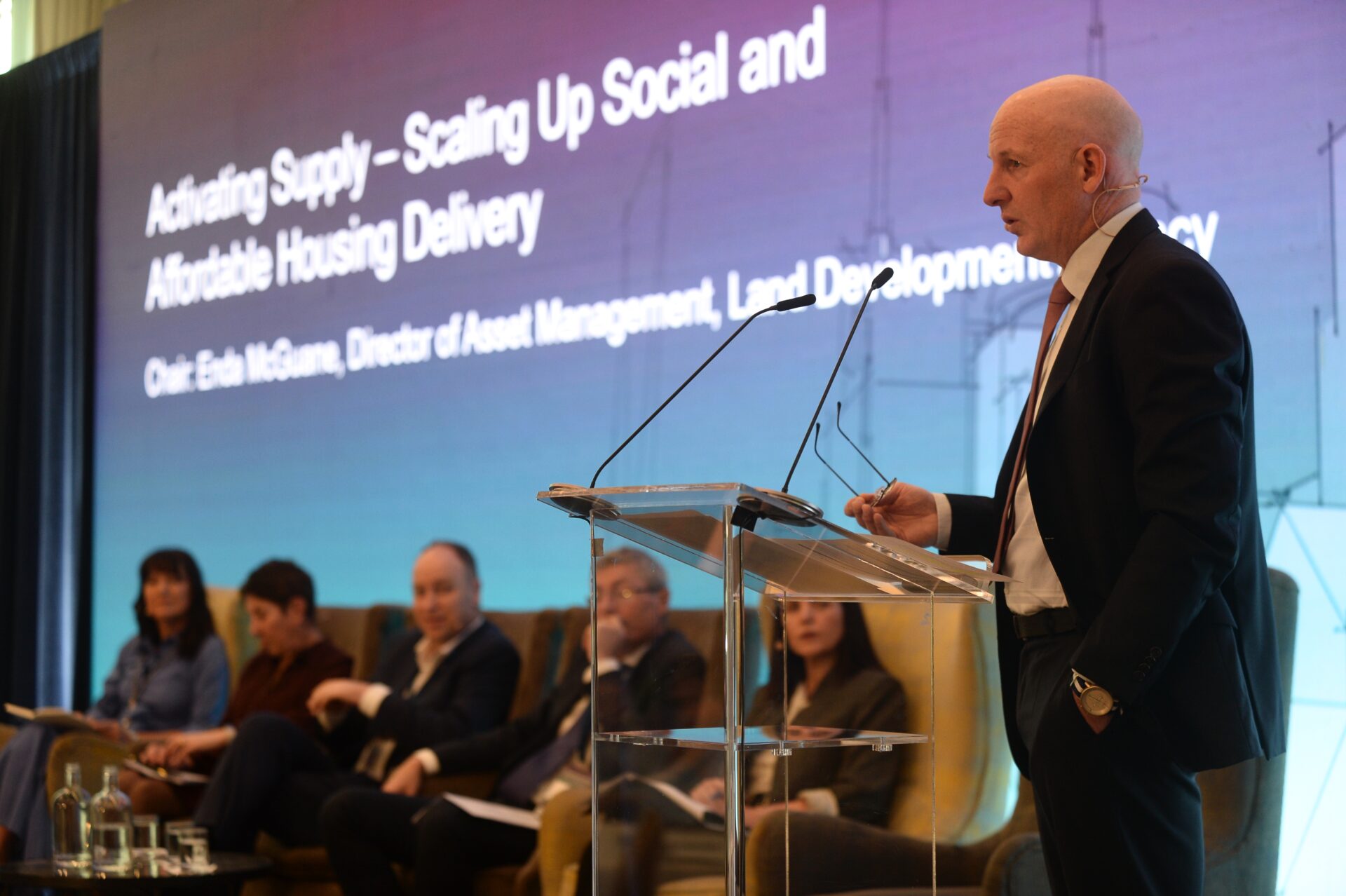
Activating Supply – Scaling Up Social and Affordable Housing Delivery
Strong first session at our 2026 Finance & Development Conference
Chaired By Enda Mc Guane of the The Land Development Agency. Sharon Cosgrove of Oaklee spoke of certainty and clarity on the direction of travel for AHBs. On Finance she said early engagement works for everybody. Sometimes additional costs with planning is an issue that needs to be considered. Housing Finance Agency interest rates are favourable but need to diversify borrowing. Additional private sector finance could be encouraged in through Govt and AHBs.
Caroline Timmons, Department of Housing, Local Government and Heritage said direct delivery is key to additonality. No more end stage engagement between AHBs and developers. We want AHBs working with developer agreements at an early stage so that you can partner with a developer to bring about homes that wouldn’t otherwise be delivered. We are asking that AHBs are involved at the start with the heads of agreement with the developer.
Deirdre Collier of the Housing Finance Agency noted the nuance involved in the spectrum of housing delivery. Most of what the HFA see are AHBs working with developers very early stage. Very few if any swooping in at the end. Forward funding (majority being apartments) is growing on HFA loan book. (42% in 2025). This is a strong indicator of direct delivery. She said delivering to meet the specific needs in specific local authorities is critical. We are seeing more 1&2 beds approvals in the last 12 months and the need is enormous. But specialist care providers are finding it really difficult to fund so the LA housing delivery action plans should support this type of delivery.
Stephen Garvey, Glenveagh. For Glenveagh they are talking to partners for delivery in 2028 and 2029. So they are clear. He said we are having conversations now about scale that wouldn’t have been imaginable 10 years ago. This is due to funding levels. We’ll do 40k homes this year and that excludes the voids coming back in. But housing is a slow vehicle. Those 40k relate to policy developed over the past five years. He said the biggest sector is the cost rental sector and the private sector won’t deliver this. Broaden the asset he said, bringing in more income groups that can access the tenure with sliding scales of rental discounts. Sustaining the momentum we’ve built here is the biggest opportunity.
Eddie Taffe CEO Wexford County Council said Part V difficulty where developers only wants to hand over 3-beds but now they are hearing we are telling them 1&2 beds. He said issues with own build, AHB and LA were reluctant but the Land Activation Fund is there sitting and waiting to de risk own build. Its underutilised at the moment. He said we took our eye off strategic development of housing and infrastructure but that has been addressed in recent years.
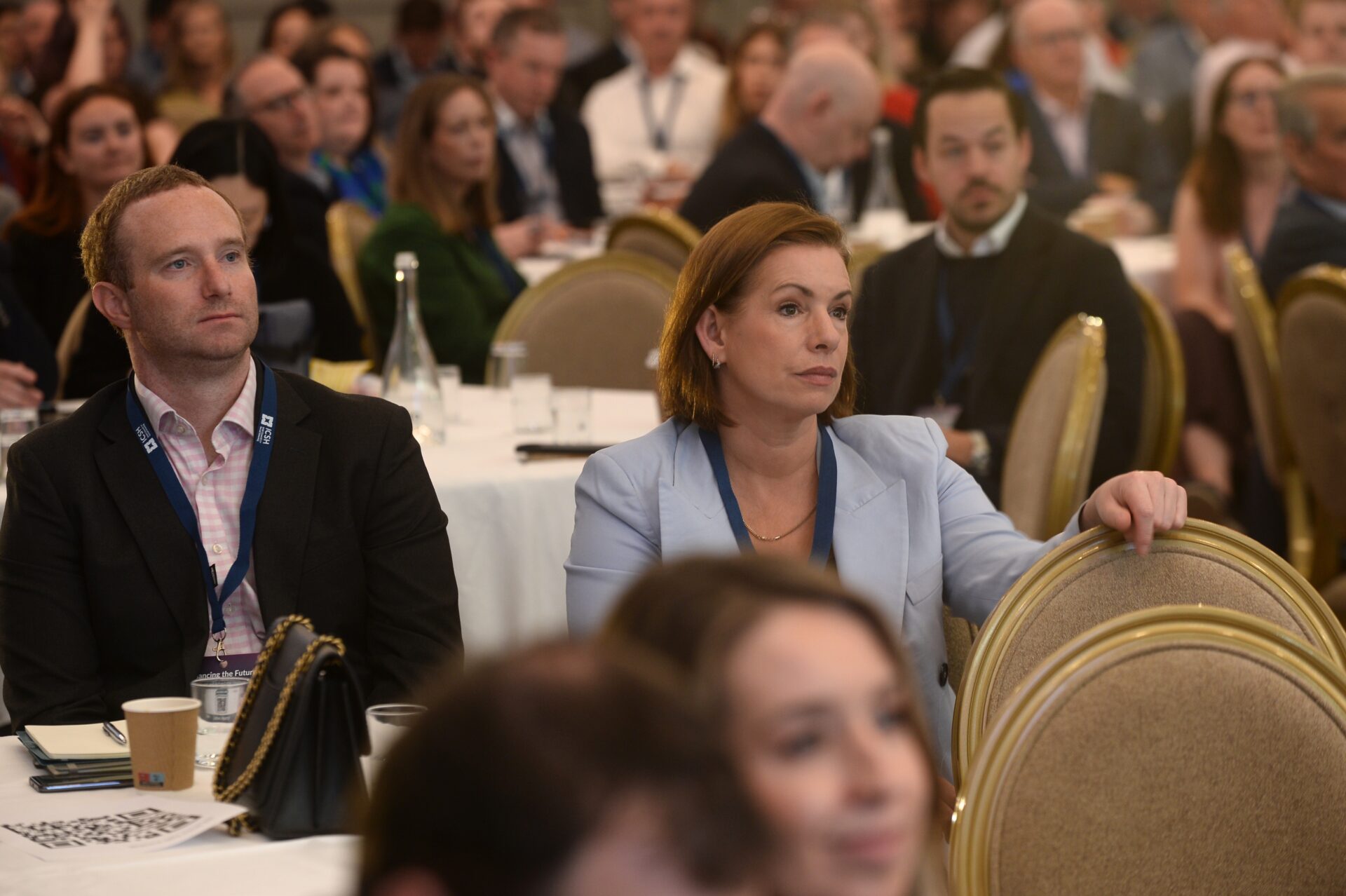
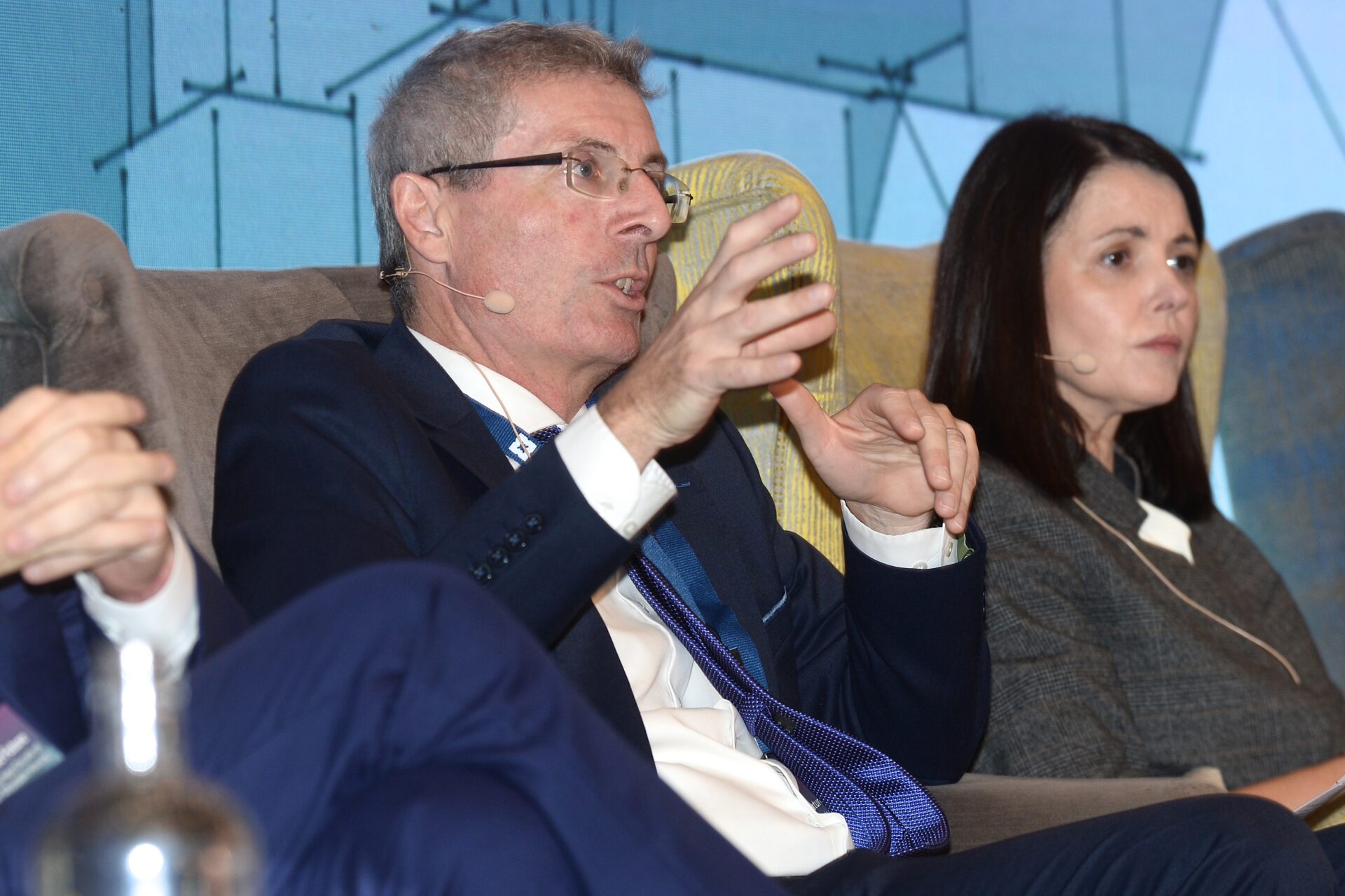
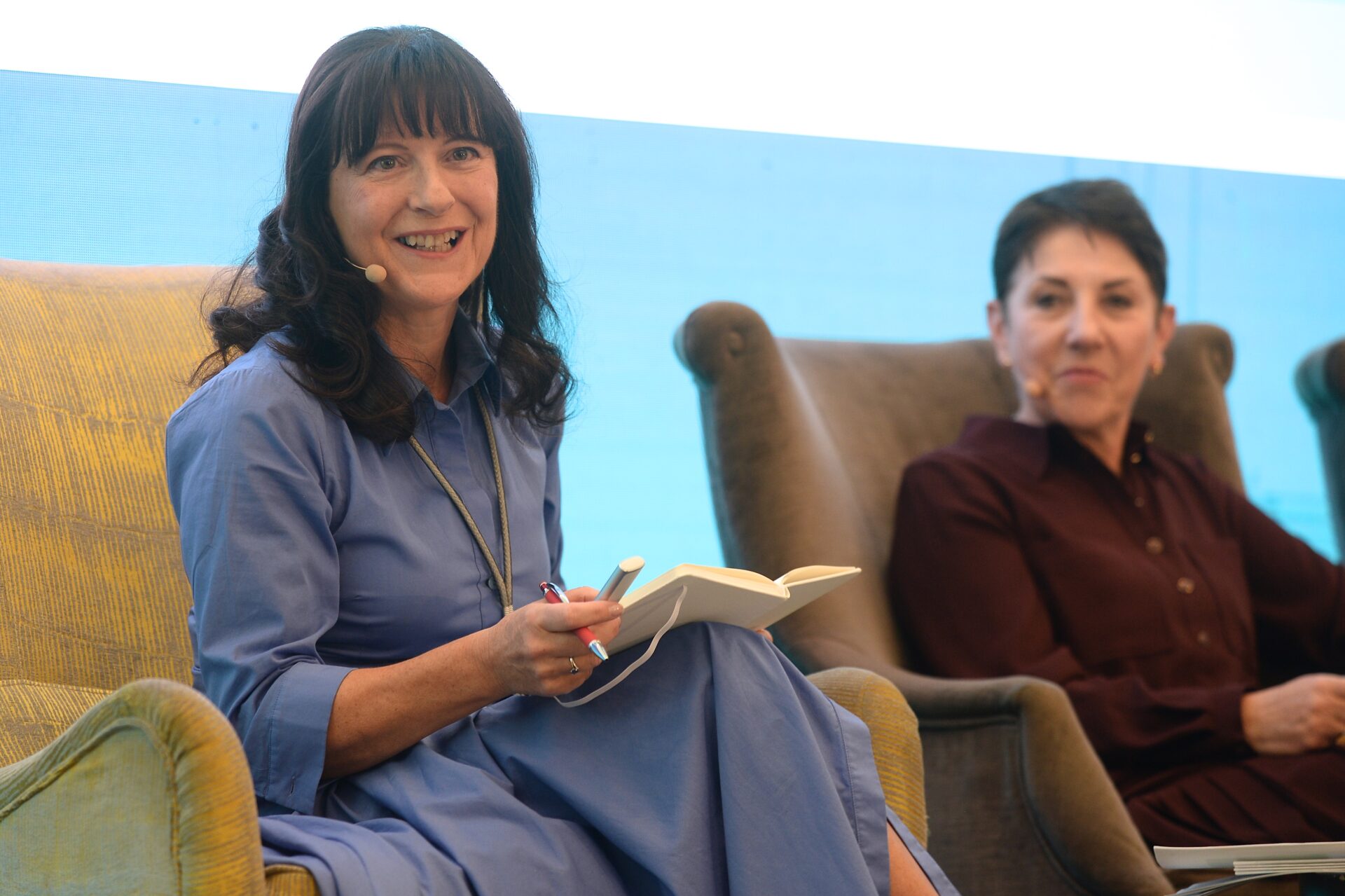
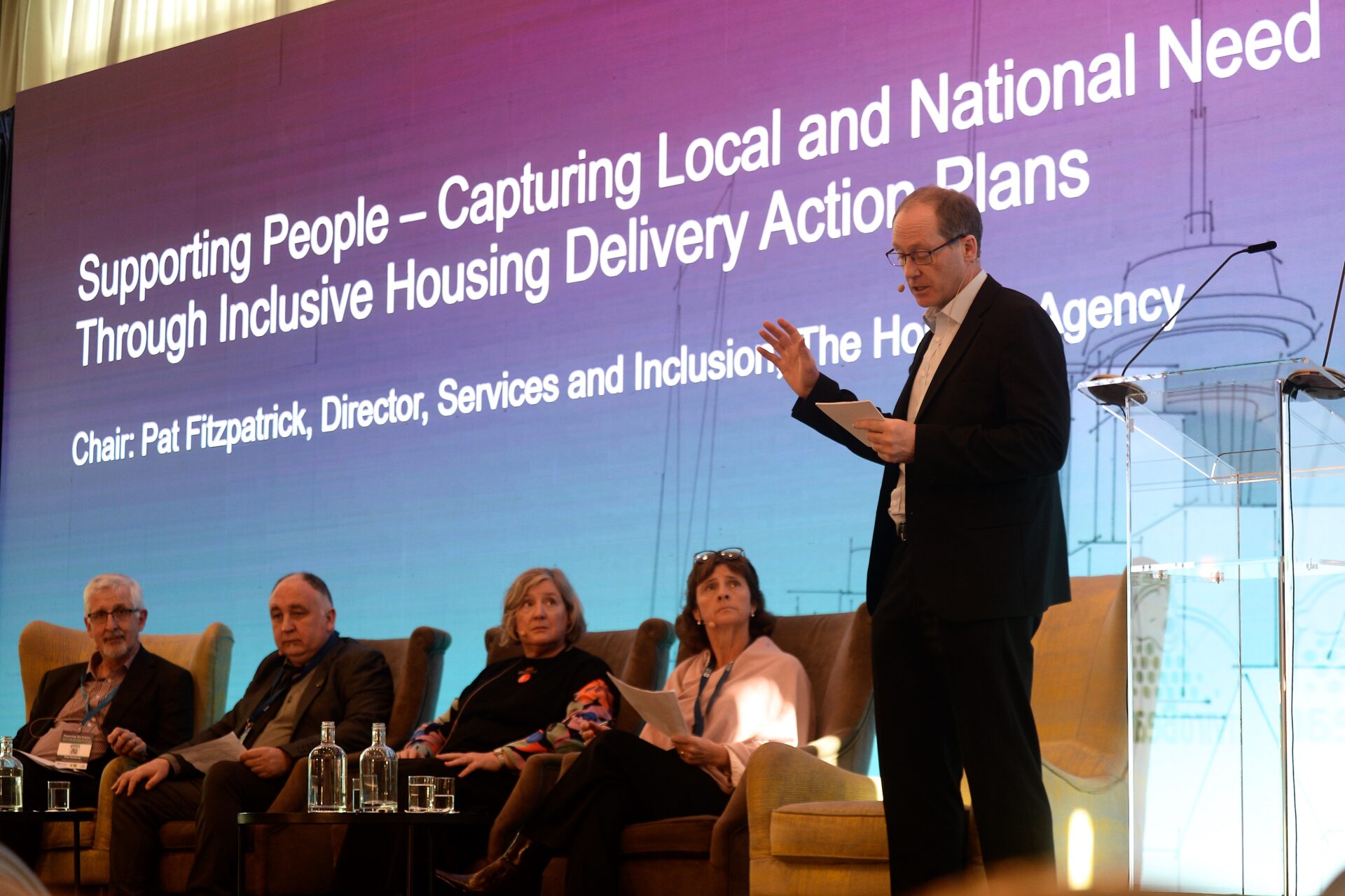
Supporting People – Capturing Local and National Need Through Inclusive Housing Delivery Action Plans (HDAPs)
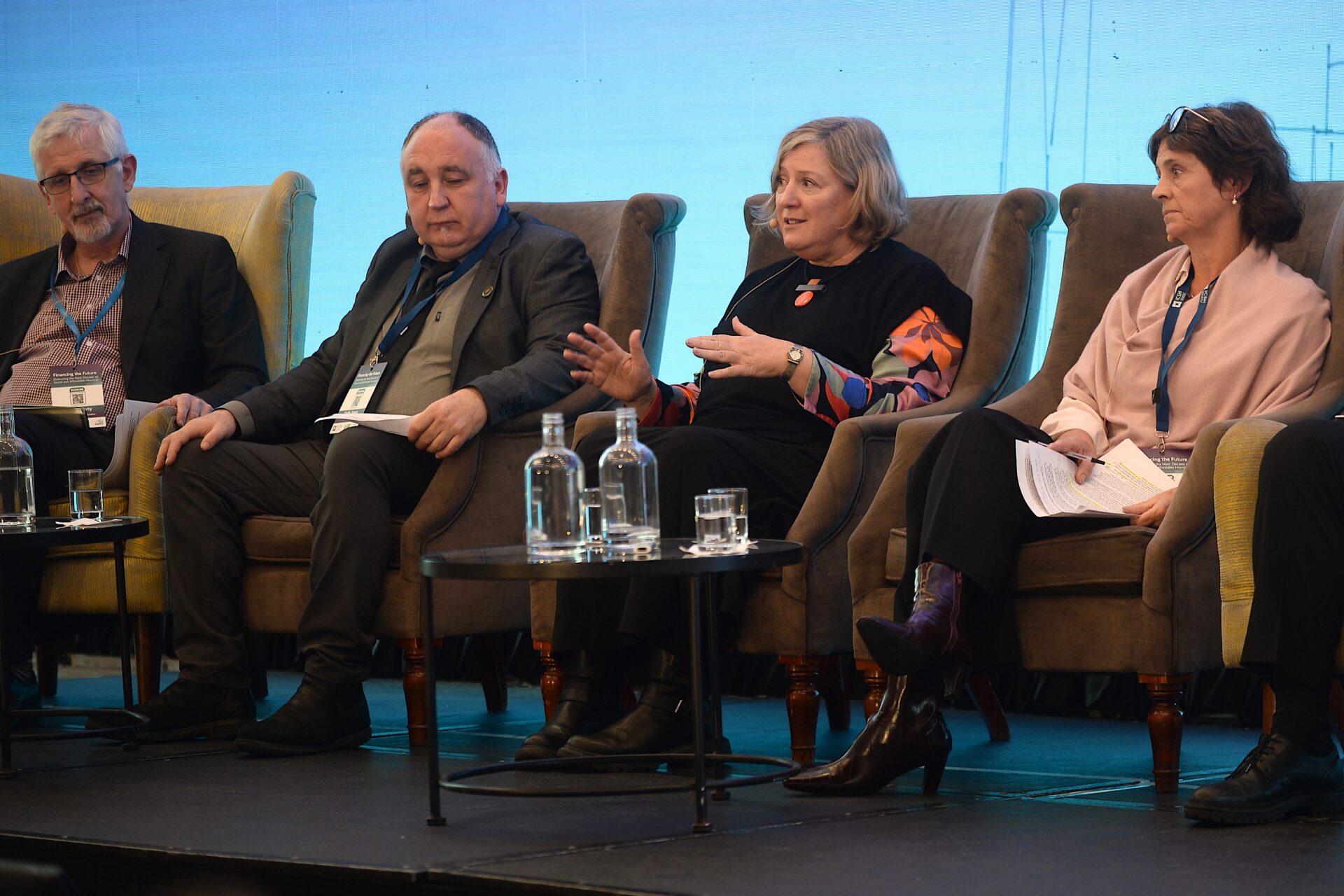
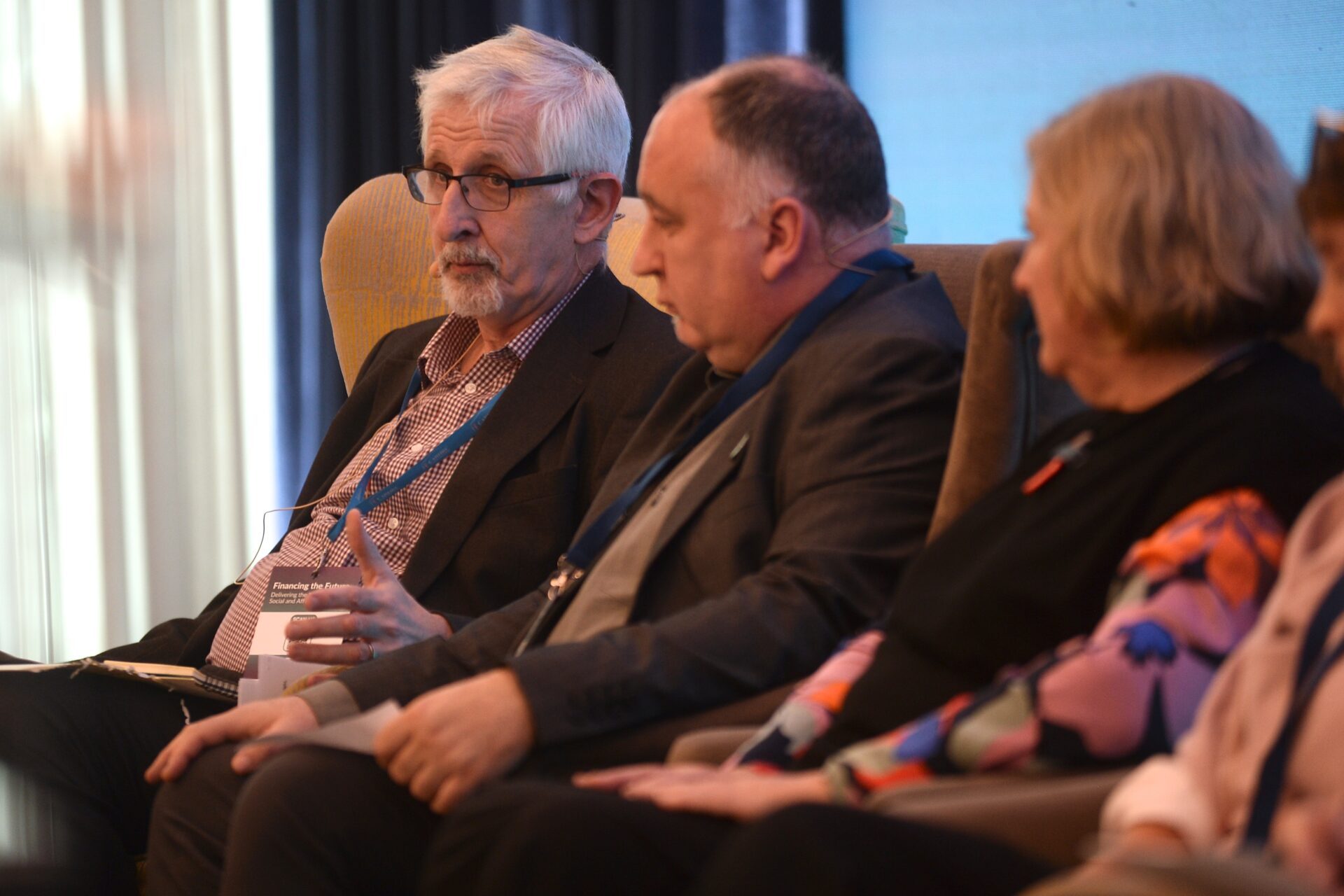
Second session at the the ICSH Finance & Development Conference 2026, chaired by Pat Fitzpatrick, Director, Services and Inclusion, The Housing Agency
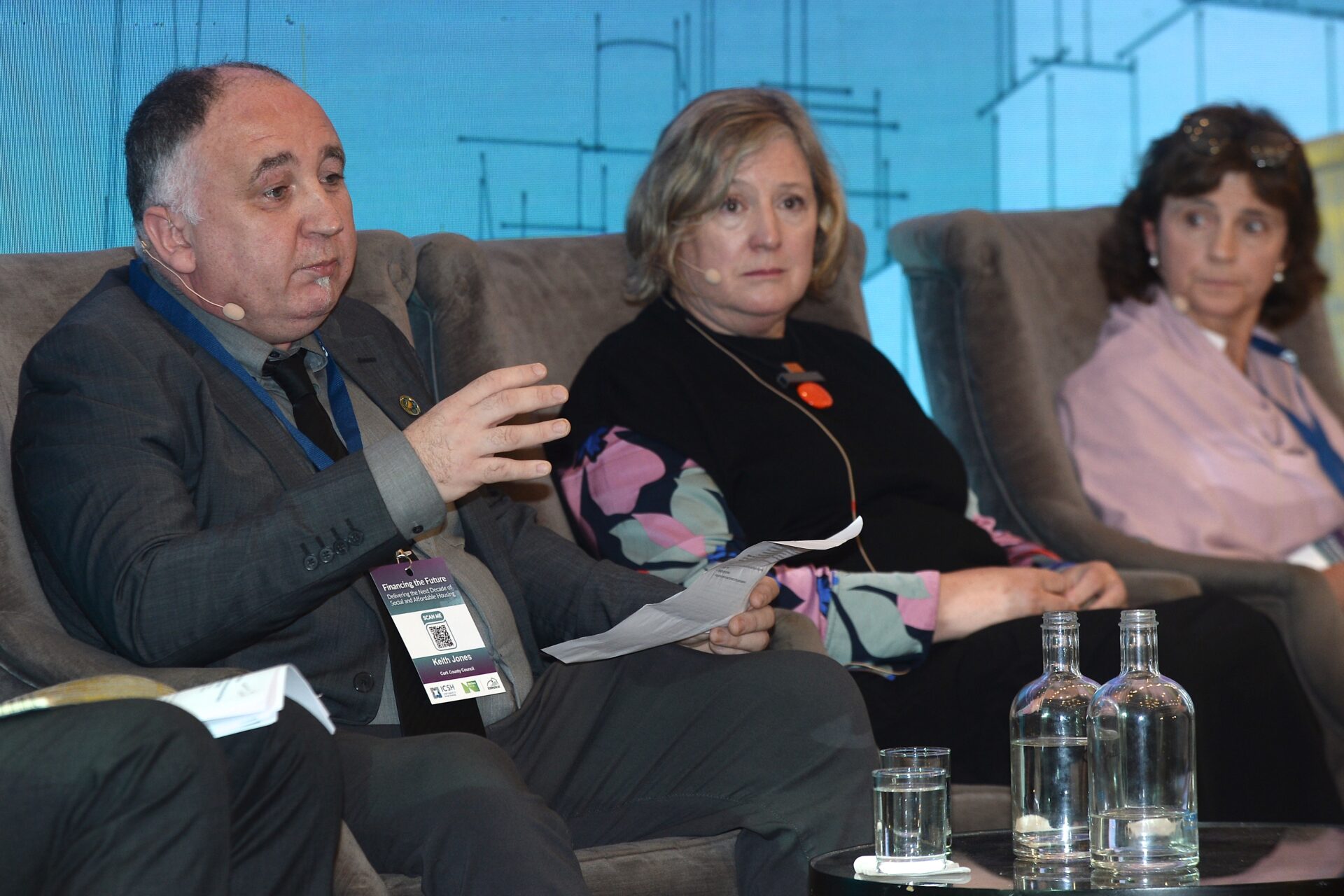
Keith Jones of Cork County Council. Building the right units in the right place for people who need them. S39 orgs are service providers, so Council will build these. With HDAPs will build on own land, esp using H15 (design apporach for group homes and community dwellings) and competitive dialogue. Part V and early engagement is key. On older persons housing, it’ll be mainly general needs, looking at % of properties for Universal Design and group homes. Creating pipeline to deliver at scale focusing on what they’re good at. HDAPs are data driven, have funding from DHLGH but also a mandate from the Minister.
Anne Ennis, Portfolio Lead for Residential Care and Decongregation. Health Service Executive: 9,500 people in HIQA homes. Cohort living at home with care packages. Going forward the lean on the private sector is unsustainable. This requires increased planning from the HSE. Central to that is having access to funding for housing. Need for robust data from the HSE to assist LAs in planning. Became clear that the SSHA and the HSE lists were inconsistent. Then what to do with the data. This is where partnerships comes into play. We need to strengthen annual mapping. 2026 funding for disability residential services has become more ringfenced and this is helpful. Department of Children, Disability and Equality have commissioned Trinity College Dublin to research cohorts of needs and the cost of meeting these accommodation needs. It’s showing the spectrum of supported housing need.
Michelle Thunder St John of God Housing Association says disability is not one size fits all. 85% of disability are intellectual disability. Usually people are looking for single unit accommodation. The next level then is a moderate disability. H15 can be a good cohort. Before We Die campaign – higher level of care needed- almost 24/7 care needs. Relationships with the LAs is great and its essential. Call for action to large AHB to include proportions of delivery for disability housing. Gaps in the design manual and discussion underway to resolve these issues.
Pat Doherty Cabhrú Housing Association. On, Developing AHBs – what we are here to do. We’re here for specialist housing, older persons housing, specialist housing, requirements that need to be met. HDAPs – hit and miss, fewer than 50% of developing AHBs have been engaged with through the HDAPs. Early engagement isn’t necessarily happening. Need to correct a few things: speed up some of Approved Housing Body Strategic Forum recommendations. So many irons in the fire, clarity and speed is crucial. Need to ensure that development led agreements are suited to the public procurement rules.
Workshops Followed – Very Probing and Engaging!!
Delivery of Disability and Older Person Housing
- Through CAS/CALF Funding
- David Dalton, Head of Unit – Social Housing Capital Investment and Stock Improvement, Department of Housing, Local Government and Heritage
- Patrick Leonard, Assistant Principal Officer Social Housing Delivery, Department of Housing, Local Government and Heritage
- Rob Walsh, Assistant Principal, HAP and RAS Unit, Department of Housing, Local Government and Heritage
- Amy Mc Nulty, Housing Manager, WESTGATE FOUNDATION
- Jillian Connolly, CEO, CoAction West Cork CLG
How to Access Land for Social and Affordable Housing Development
- Niamh McCarthy, HDCO, Local Government Management Agency (LGMA)
- Dearbhla Lawson, Director of Planning Services, The Land Development Agency
- Eibhlin O’Connor Chief Commercial Officer, Clúid
Best Practice in Delivering Retrofit with Enhanced Supports for AHBs
- Fergal Cantwell, Programme Manager, ENVIROBEAD LTD.
- Norman Jackson, Director of Built Environment, The Housing Agency Ireland
- Susan Vickers, Head of Environmental Stability, Clúid, Chair, Healthy Homes Ireland
- Kieran McQuillan, Board Director, St. Patrick’s VHA Kilkenny
- Claire Byrne, Programme Executive, Sustainable Energy Authority of Ireland (SEAI)
How to Deliver and Fund Community Building Initiatives
- Claire Heaney-McKee, PEACEPLUS Common Ground Project, ICSH
- Kevin Brassell, Project Manager – PEACEPLUS Common Ground,
- Northern Ireland Federation of Housing Associations
- Darren Hudson, Tenant Engagement Coordinator, Respond
Potential and Pitfalls – Shaping Expressions of Interest for Social Housing Delivery
- Roger Harrington, Principal Officer (CALF – HAA), Department of Housing, Local Government and Heritage
- James O’Halloran, Head of New Business, Clúid Housing
- Louise Smith, HDCO, Local Government Management Agency (LGMA)
- Mark Birch, Programme Manager, Housing Delivery & Regeneration Section, Cork City Council – Comhairle Cathrach Chorcaí
AHB Sector Consolidation: Practical Learnings and Challenges
- Pat Dennigan, CEO, Focus Ireland
- Orla Cleary, Chief Governance and Legal Officer, Tuath Housing
- Ger O’Connor, Acting Programme Manager for Housing Delivery and Regeneration, Cork City Council – Comhairle Cathrach Chorcaí
How to Access EU Funding
- Margherita Marinelli, Membership and Innovation Officer, Housing Europe
- Ana Ospina, Operations Manager and Company Secretary, Carbery Housing Association
- Bobbie Baker, Programme Executive, Northern and Western Regional Assembly
- Mary-Ann O’Donovan, Associate Professor in Translation, Innovation and Evidence Based Intellectual Disability Practice, Trinity College Dublin
Building a Career in Social and Affordable Housing
- Marie McNamara, Head of Construction, Tuath Housing Association
- Dympna Clerkin, Training and Information Manager, The Housing Agency Ireland
- Pat Doherty, Chief Executive Officer, Cabhrú Housing Association
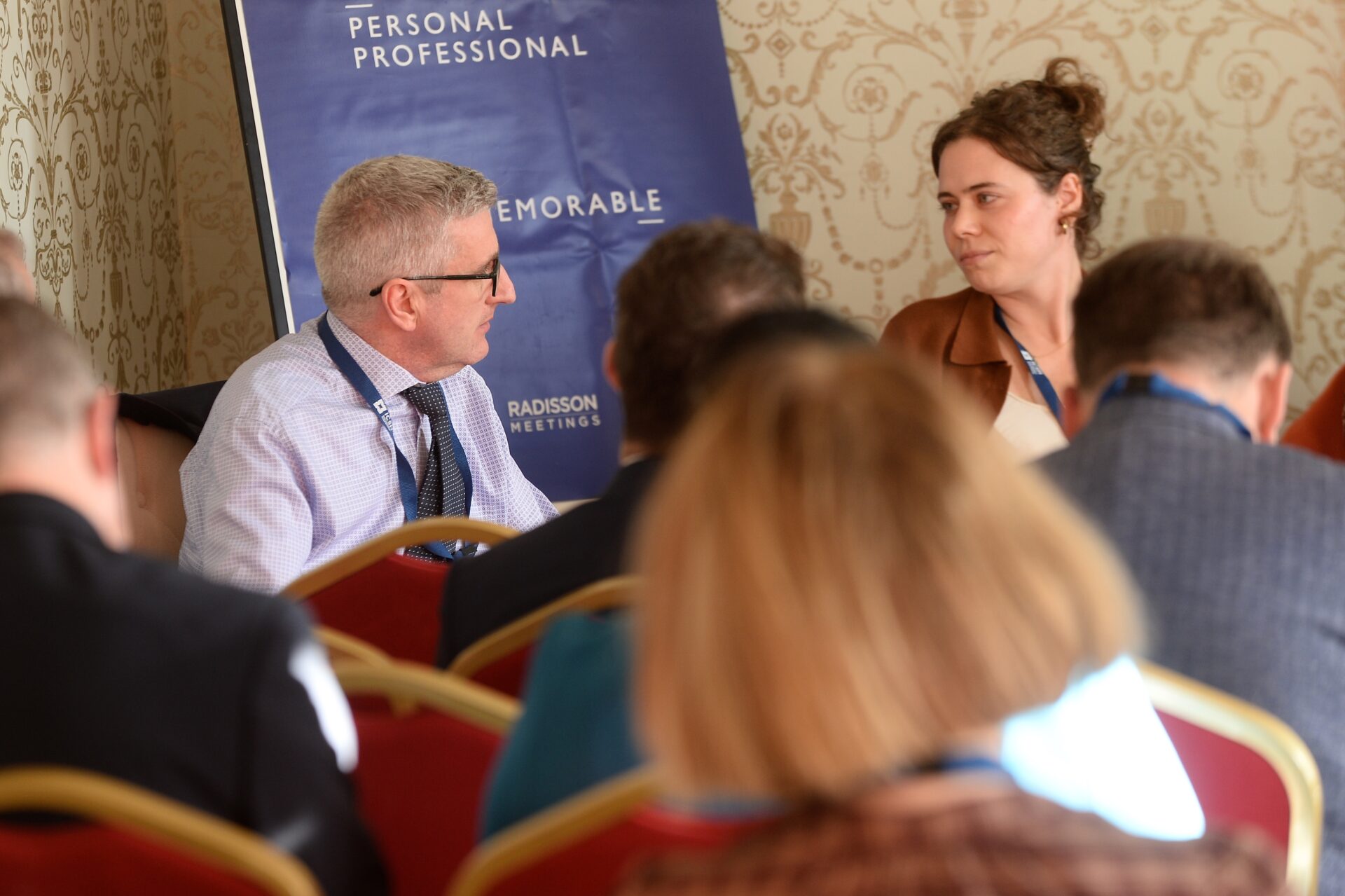
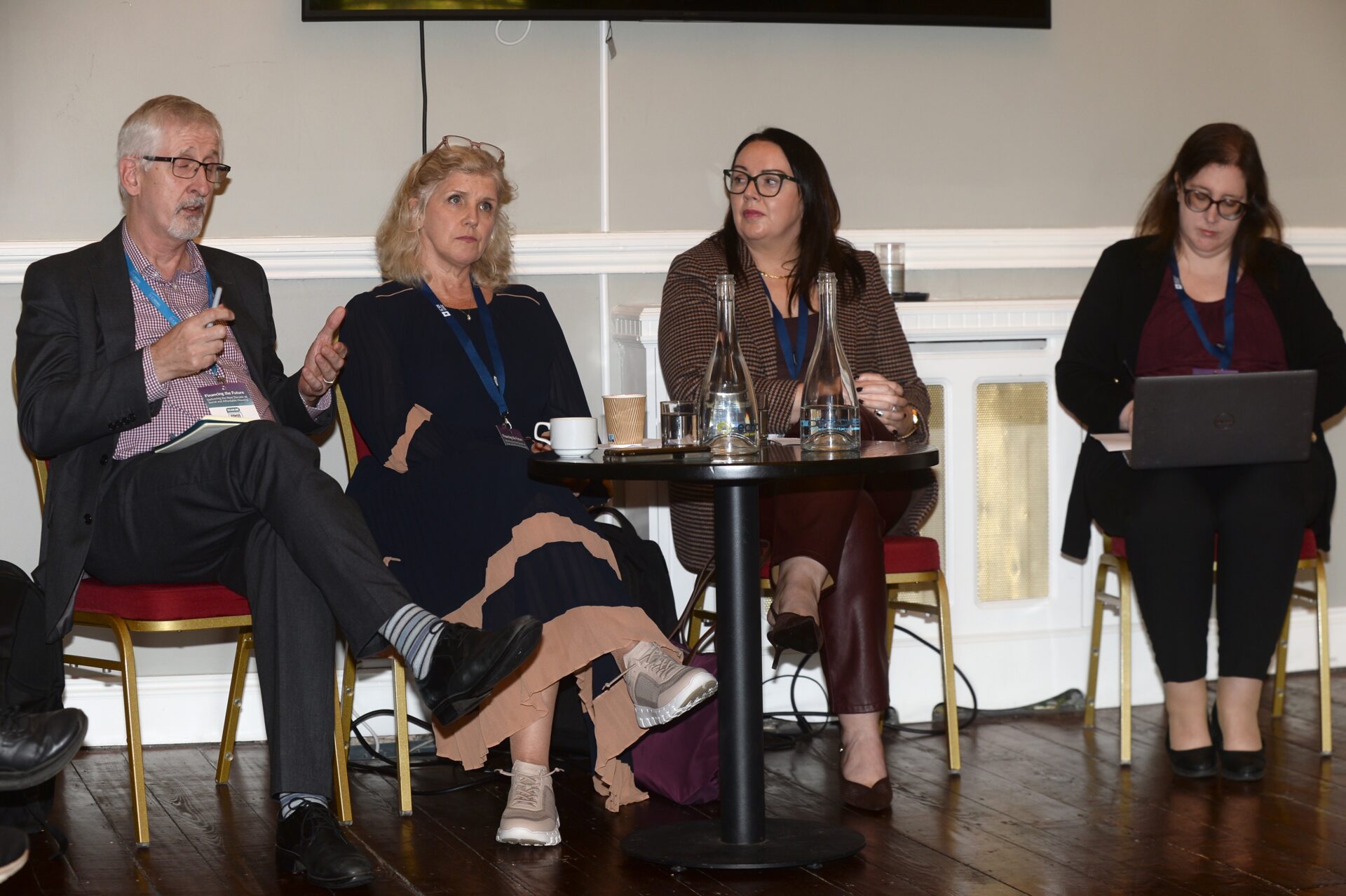
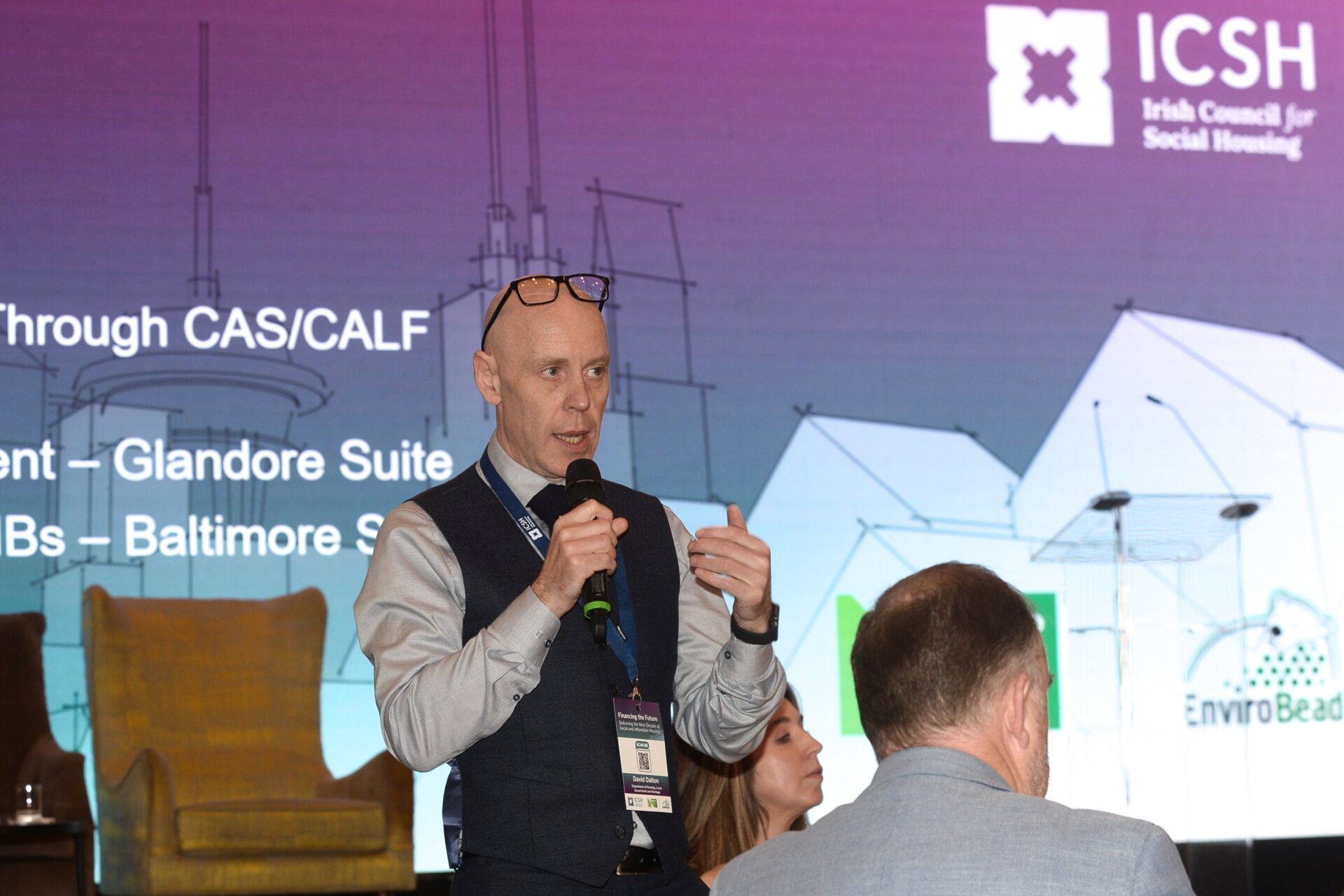

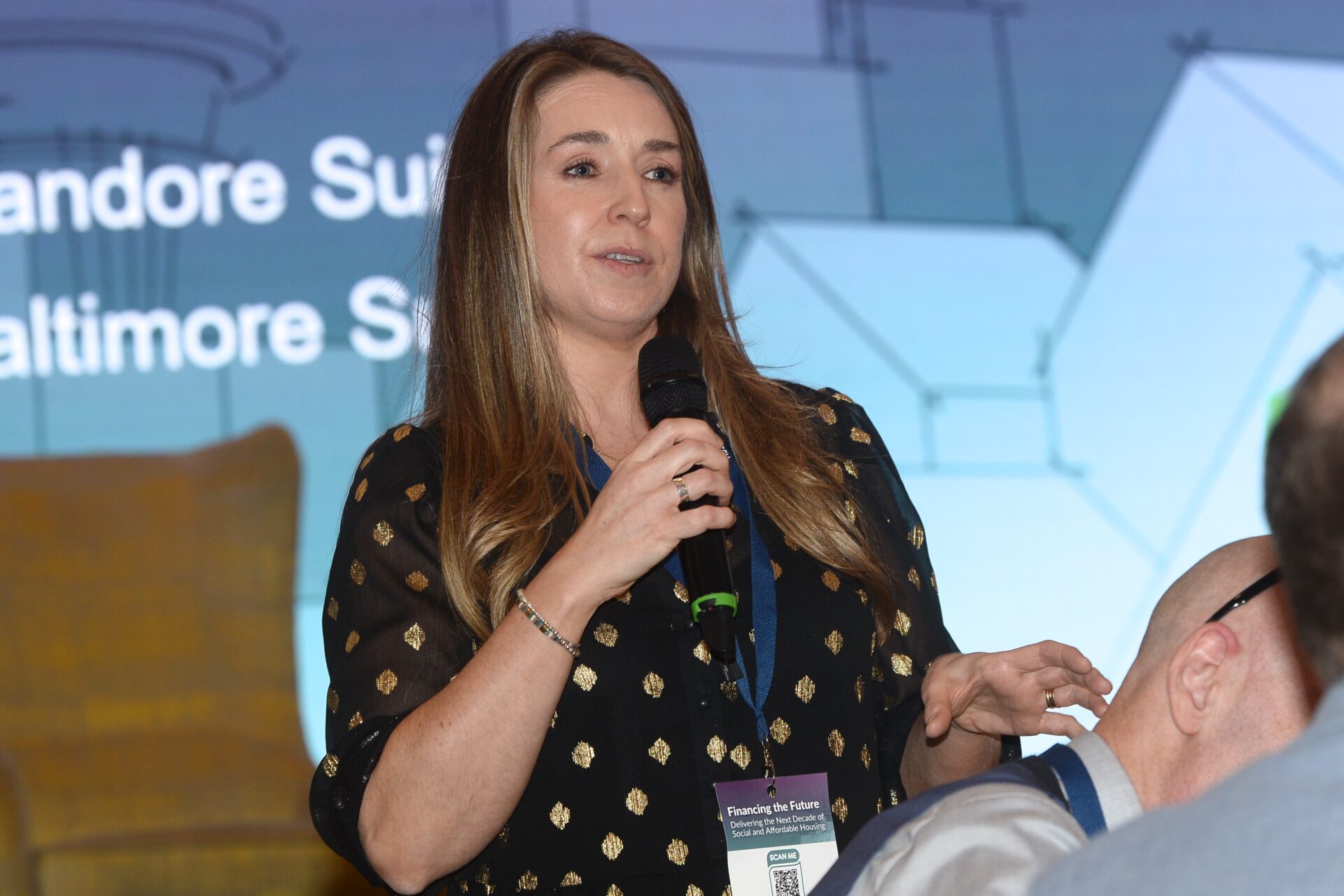
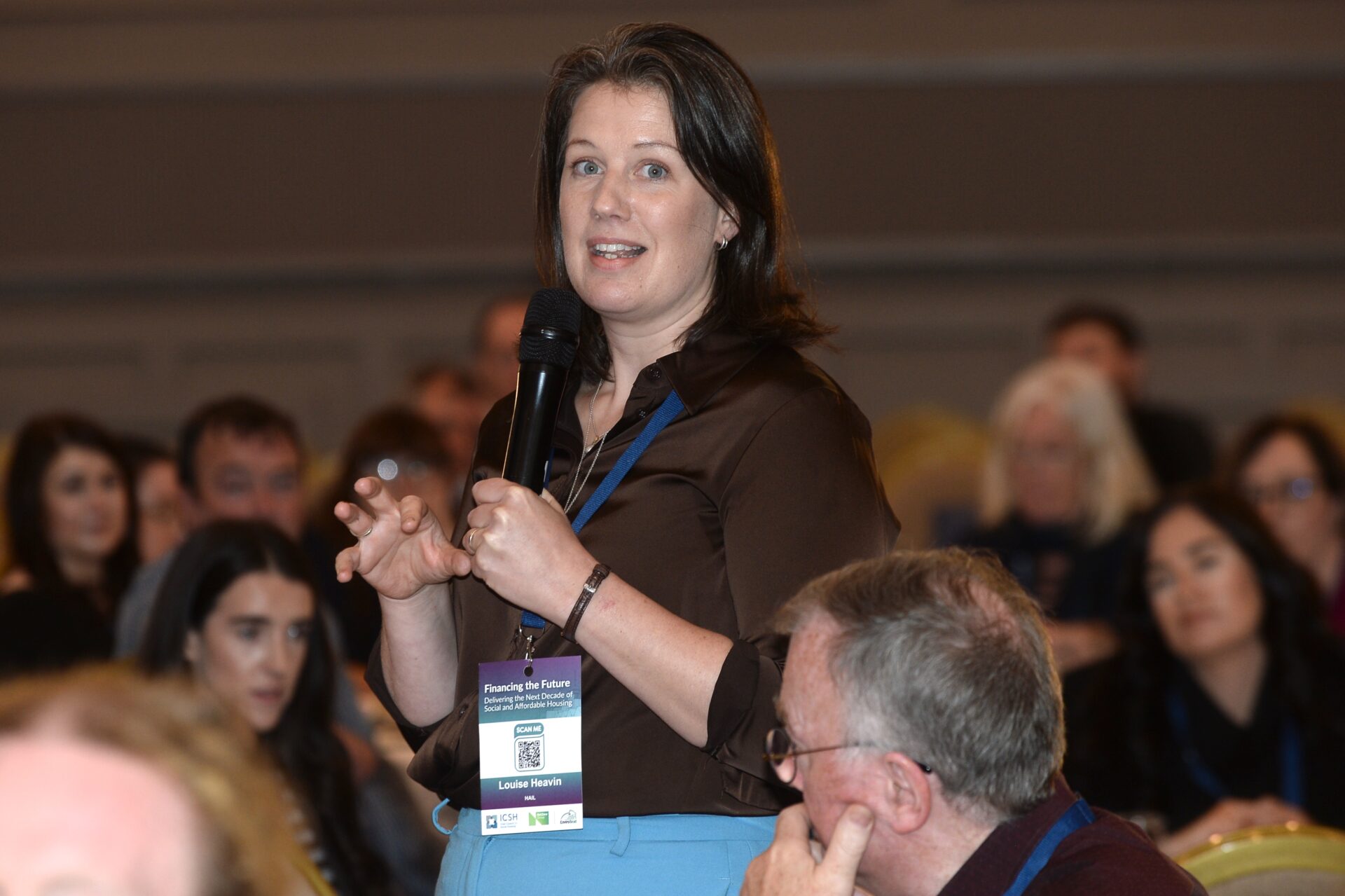
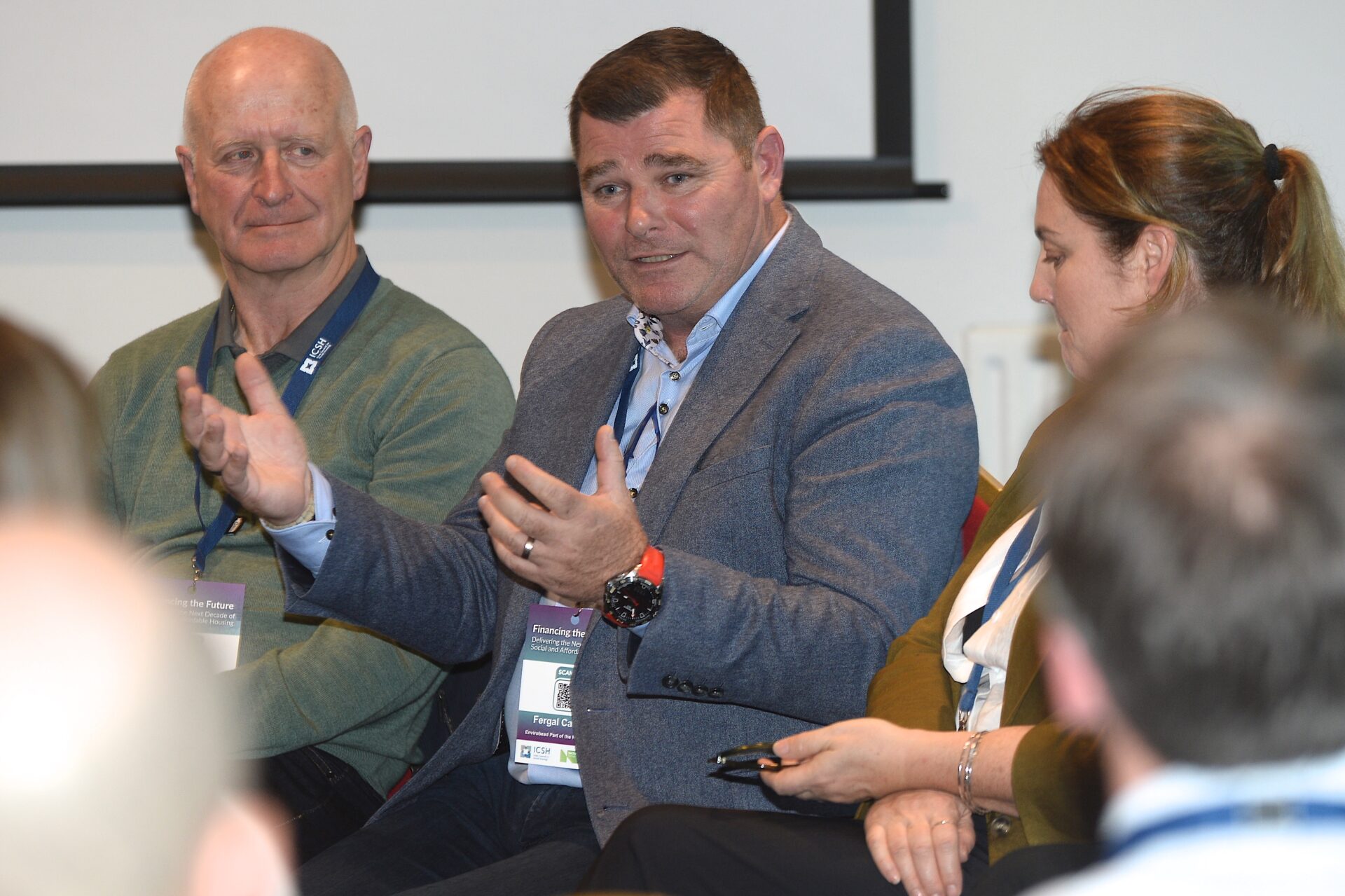
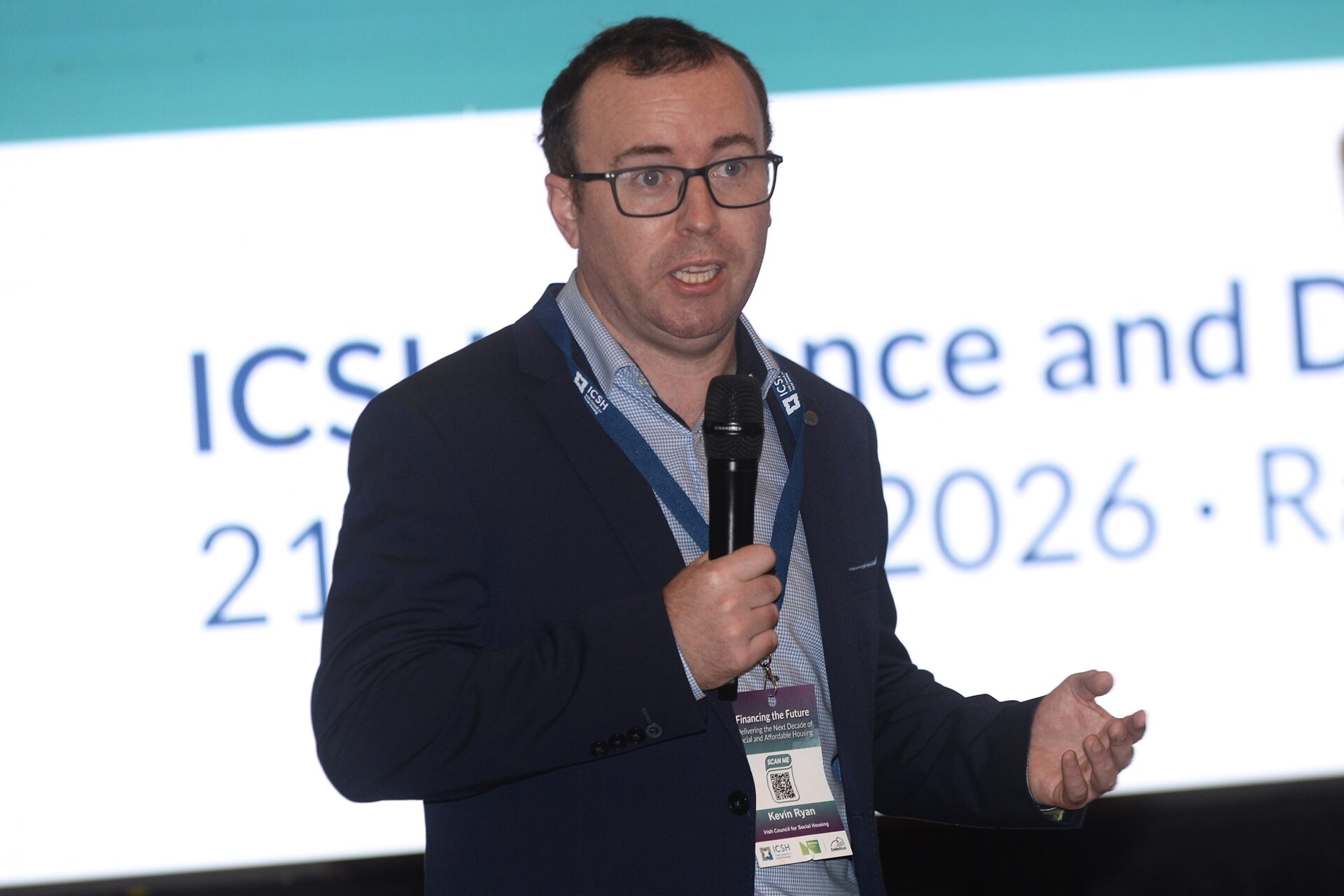
Day 2 ICSH Finance & Development Conference 2026, supported by Envirobead
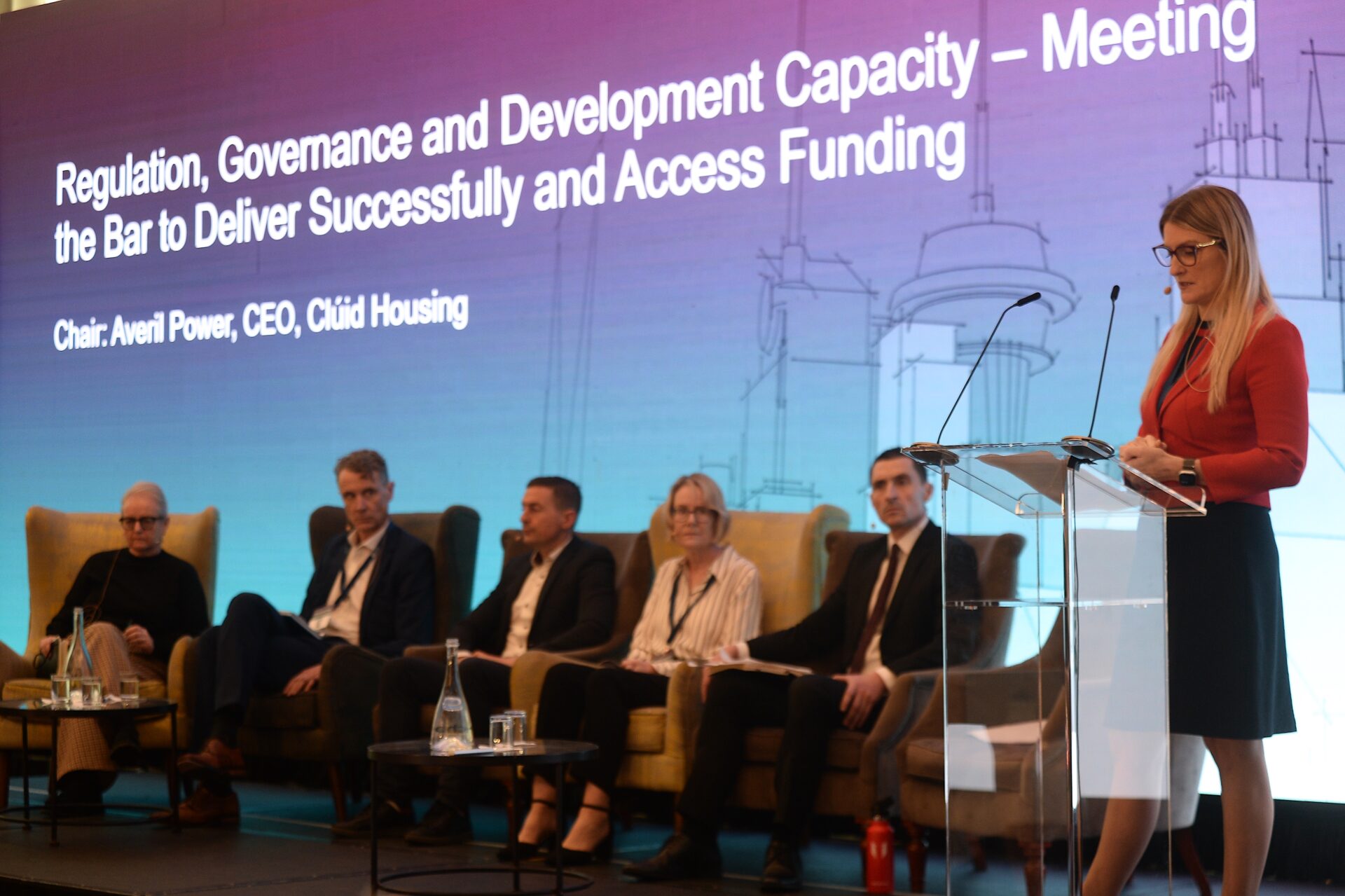
Regulation, Governance and Development Capacity – Meeting the Bar to Deliver Successfully and Access Funding
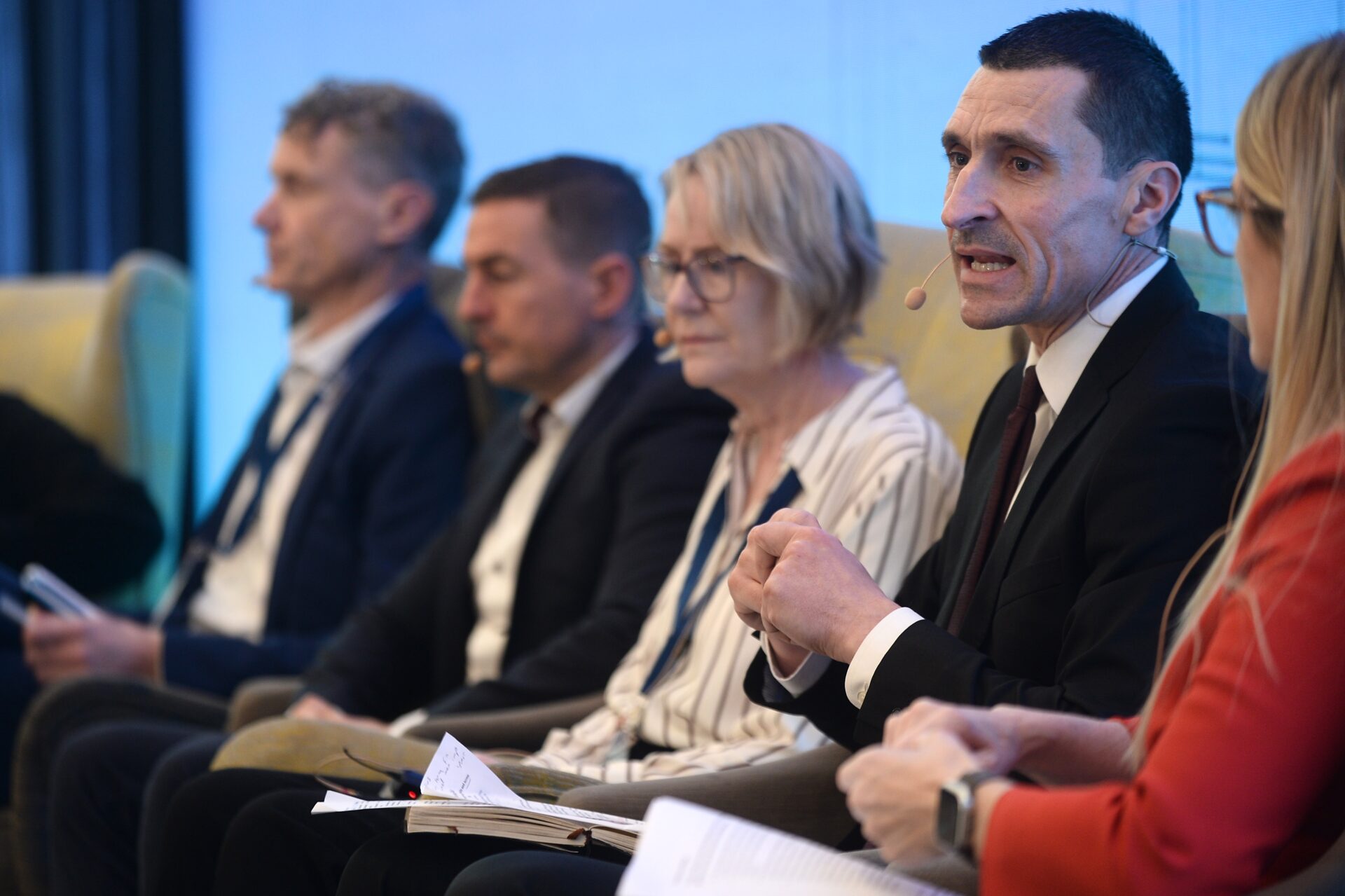
Chaired by Averil Power, CEO, Clúid. Fergal O’Leary, CEO, Approved Housing Bodies Regulatory Authority said over 120 AHBs plan to grow. Want to understand how any AHB with an ambition to grow will have the capability to do it. 5 years of assessment, 70 assessments, hundreds of engagements. Where regulation works best, the AHB is managing itself really well, complying with regulation is an offshoot of that. If the decision is made to grow, the regulator will want to know how is that decision made. The earlier you engage with the regulator, the more options there are.
Tina Hynes, Co-operative Housing Ireland. CHI has grown from 4,000 units in 2022 to around 7,000 units now. AHBRA has raised the baseline governance framework for the sector. Assurance function rather than just a compliance function. CHI has mandatory training for new board members. Very strong training and succession planning for the board has been key for CHI.
Vinny Colgan, Department of Housing, Local Government and Heritage – Immediate priorities in relation to regulation – each AHB will have to determine why they are in existence – are they growing, are they managing their existing homes. ways of resolving the cost income gap. First action sits with AHBs being able to demonstrate that LAs and AHBs are setting the appropriate economic rent. The second action is that if the sector can still demonstrate the gap exists despite claiming full CAS RAS. The CAS RAS Practitioner Forum is modelling examples where this is the case. Will be bringing examples to DPER to illustrate this. The third action is looking at a broader review of funding streams – this action will take longer.
Brian Hayes, Moore Ireland – lessons for community based AHBs on the credit union merger. The branch presence and local identity remains but with a wider range of services. No downgrading in value proposition or service offering. Local community committees set up to ensure local continuity during merger process.
Belinda Ó Conaill, Fold Housing – understand the need for consolidation but need to set up processes in a way that will not damage existing structures and services. Difficulties in marrying together two organisations with differing cultures which shouldn’t be underestimated. The announcement of AHBs moving from turnkeys to direct delivery is understandable but how we get there and the changeover and how defined the date is are as yet unknown
Vinny Colgan, Principal Officer, AHB Policy and Regulation Department of Housing, Local Government and Heritage – Turnkeys were useful during the economic crash. Times are very different now. Late stage turnkeys are less desirable now that our housing market becomes more functional. The announcement is an end to late stage turnkeys. Programme for Government, changes in single approval process, move to HDAPs, etc, have all signposted the move to more direct delivery.
The Rest is Finance – Future Sector Funding
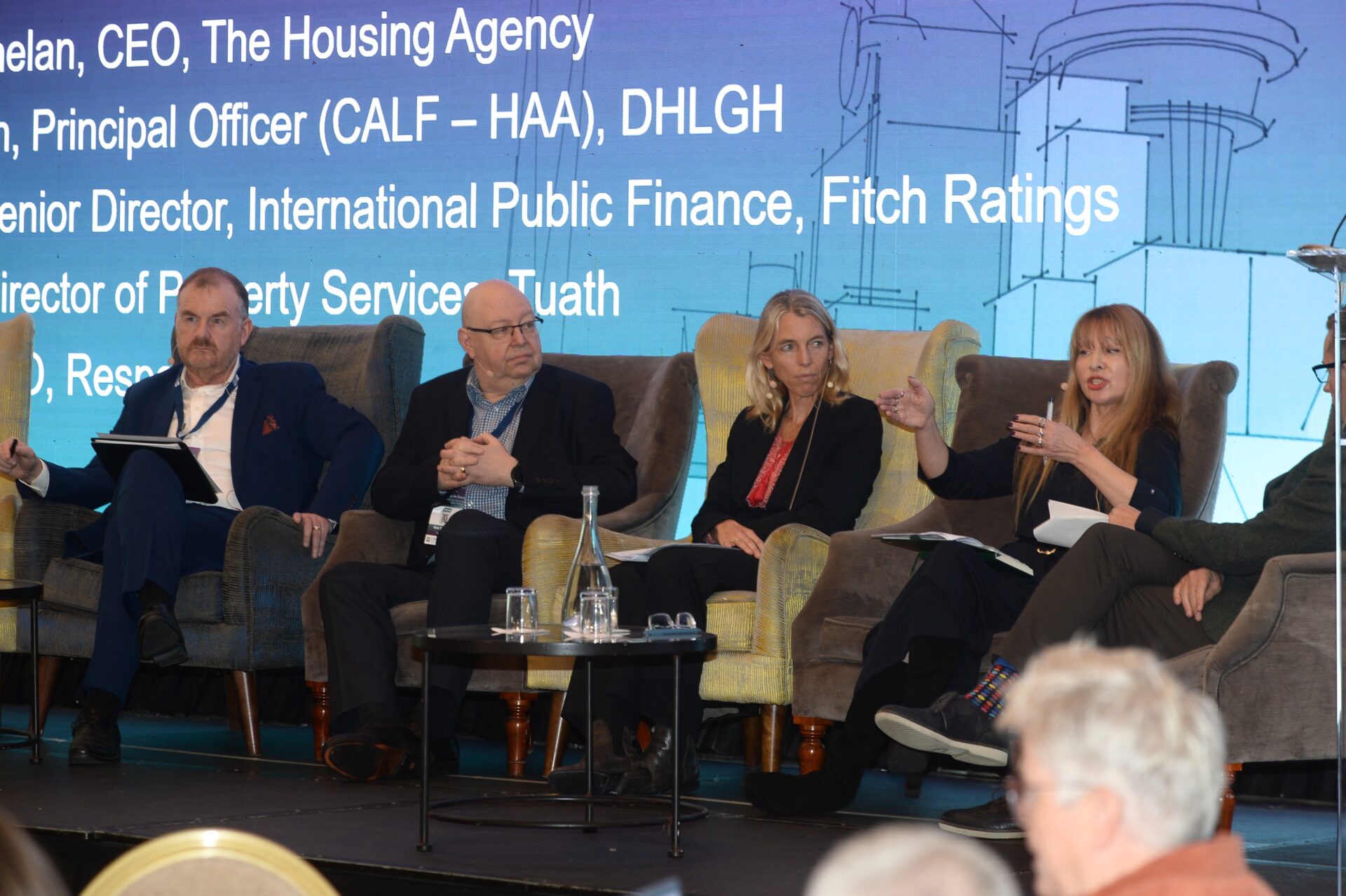
An excellent final session to our 2026 Finance & Development Conference. Chaired by Martin Whelan, CEO, The Housing Agency, a very engaging panel, focused on the question of what a stable/sustainable sector looks like and future financing with Nick Sheward Director of Property Services, Tuath Housing, Aoife Watters CEO, Respond, Roger Harrington, Principal Officer, Department of Housing, Local Government and Heritage and international views with Inés Callahan, Senior Director, International Public Finance, Fitch Ratings.
Legacy financing Issues remained central to the conference agenda – homes in the sector with insufficient revenue stream to support. Acknowledged cost gap in policy. Need a pathway to resolve this core sectoral issue. Current Liabilities are core to credit quality (Fitch Ratings). Needs to be addressed by the state, if the sector is to achieve credit ratings to expand/alternative funding sources. AHBs have less pricing flexibility because of profile/ of social and affordable tenants. Income – How to expand the base, need to look at this. Income subsidy in CREL particularly opening the doors to external capital (Fitch Ratings). Why haven’t we seen more bank lending and institutional investment in social and affordable housing at a time of record investment? How can we attract alternative fundings to the sector, if AHBs borrowings are tied to the Housing Finance Agency plc lending rate, given the current interest rate environment.